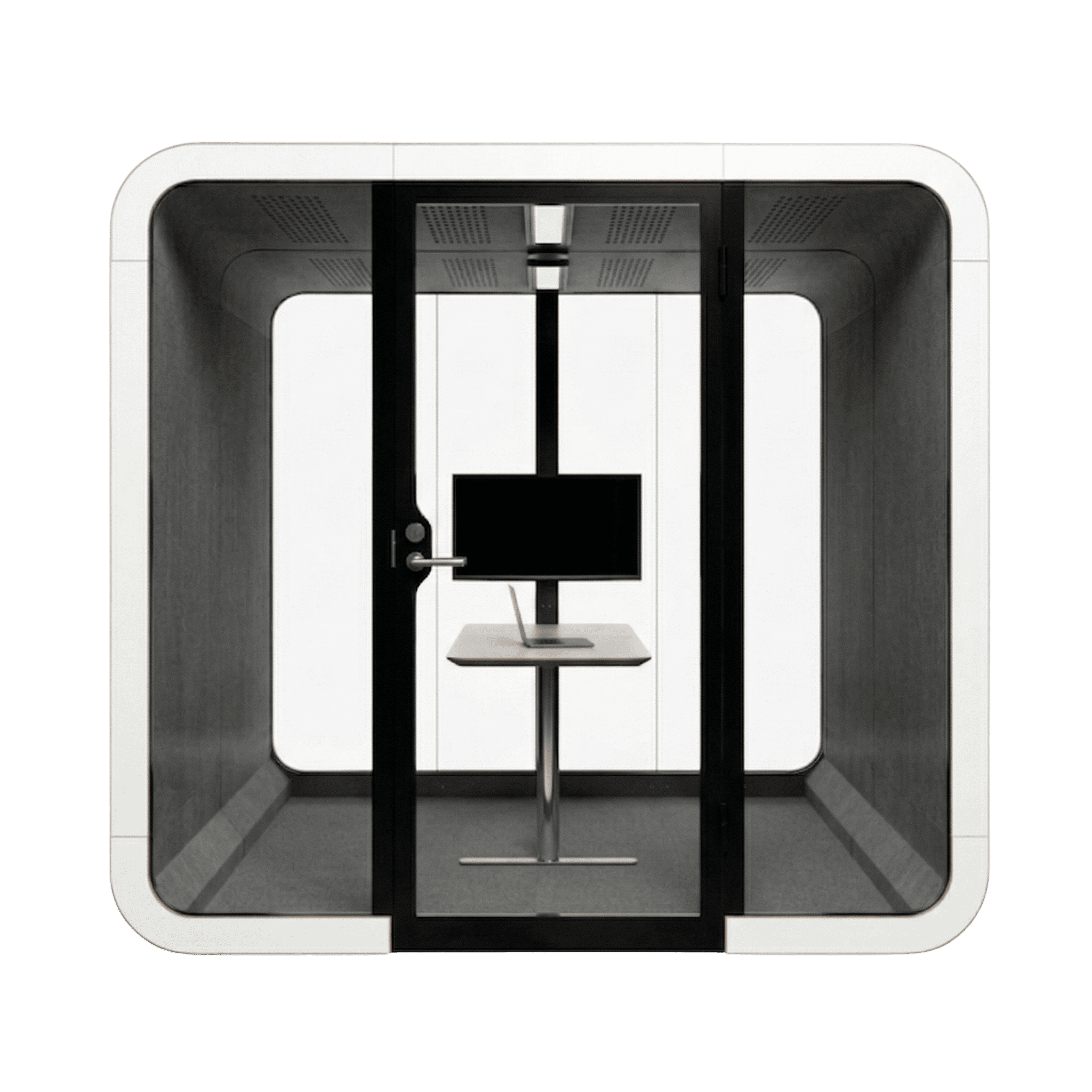
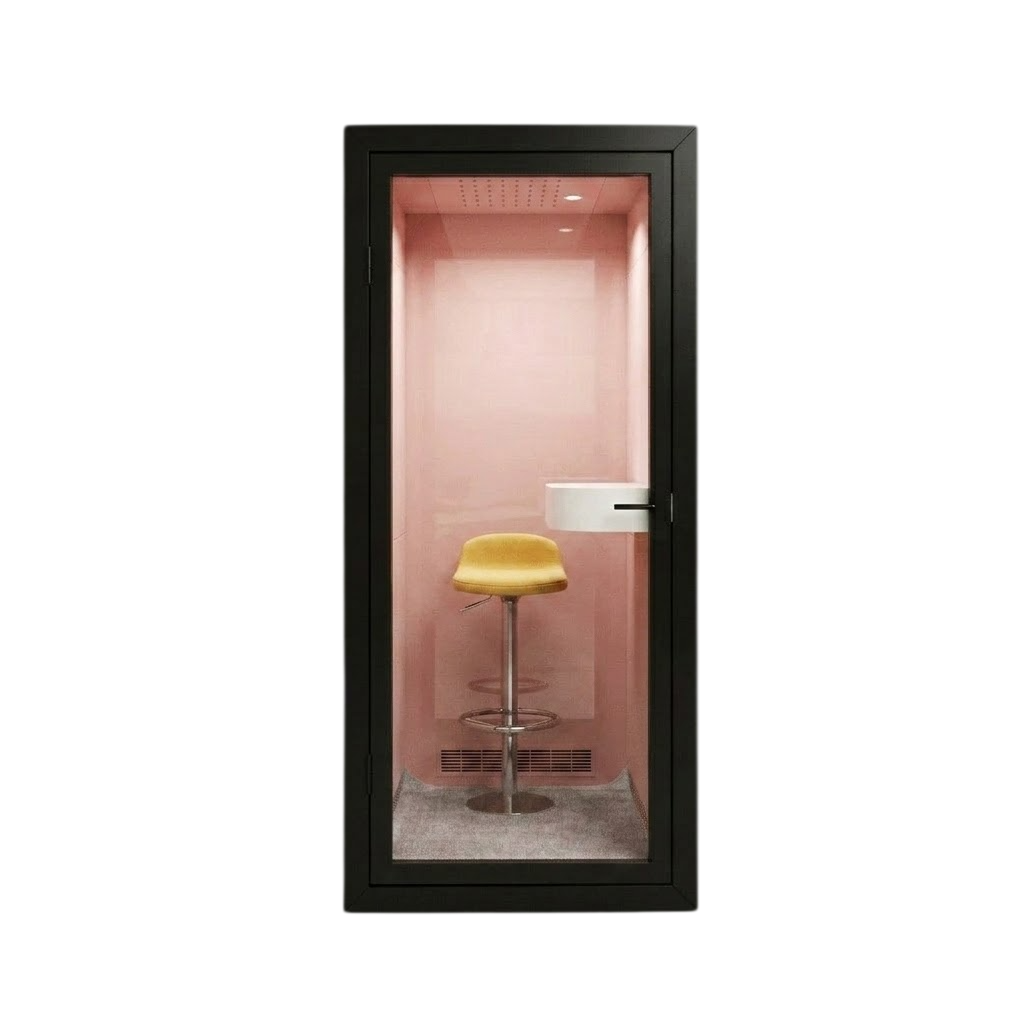
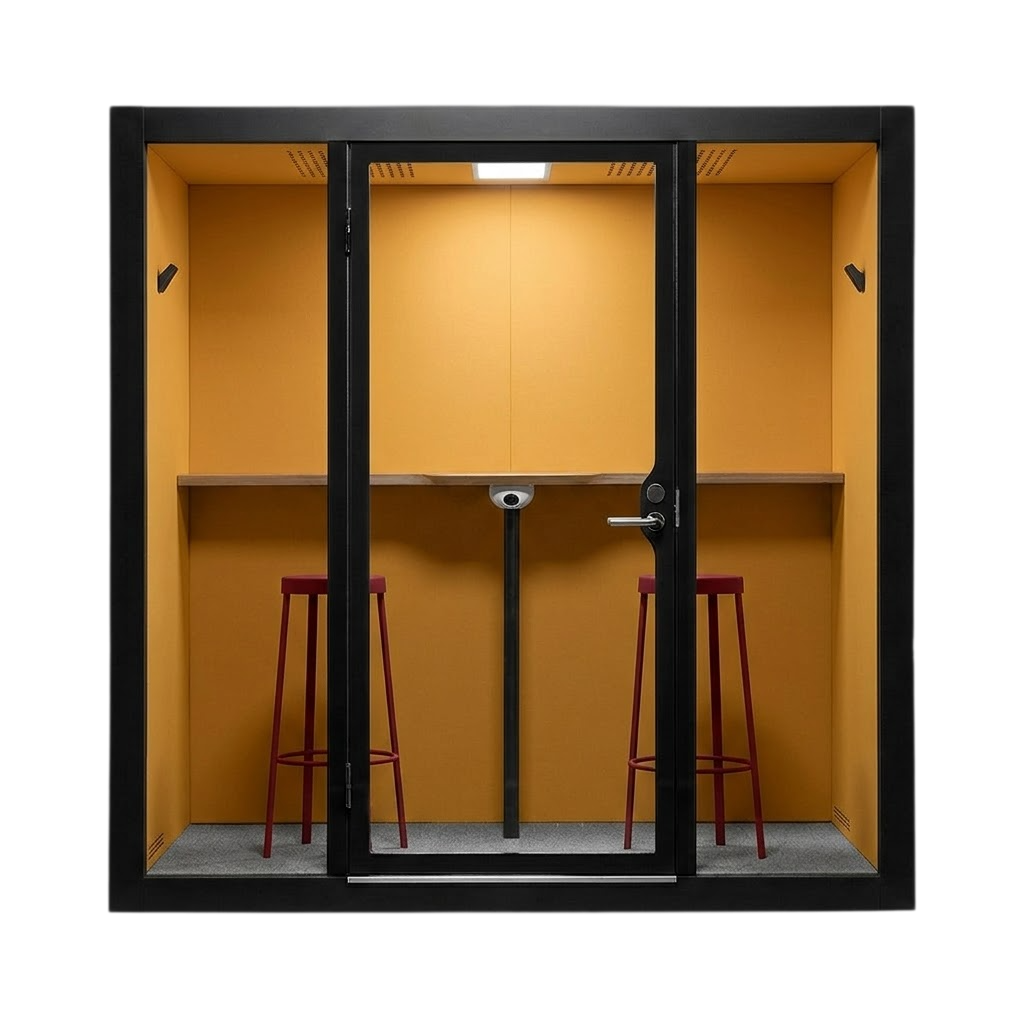
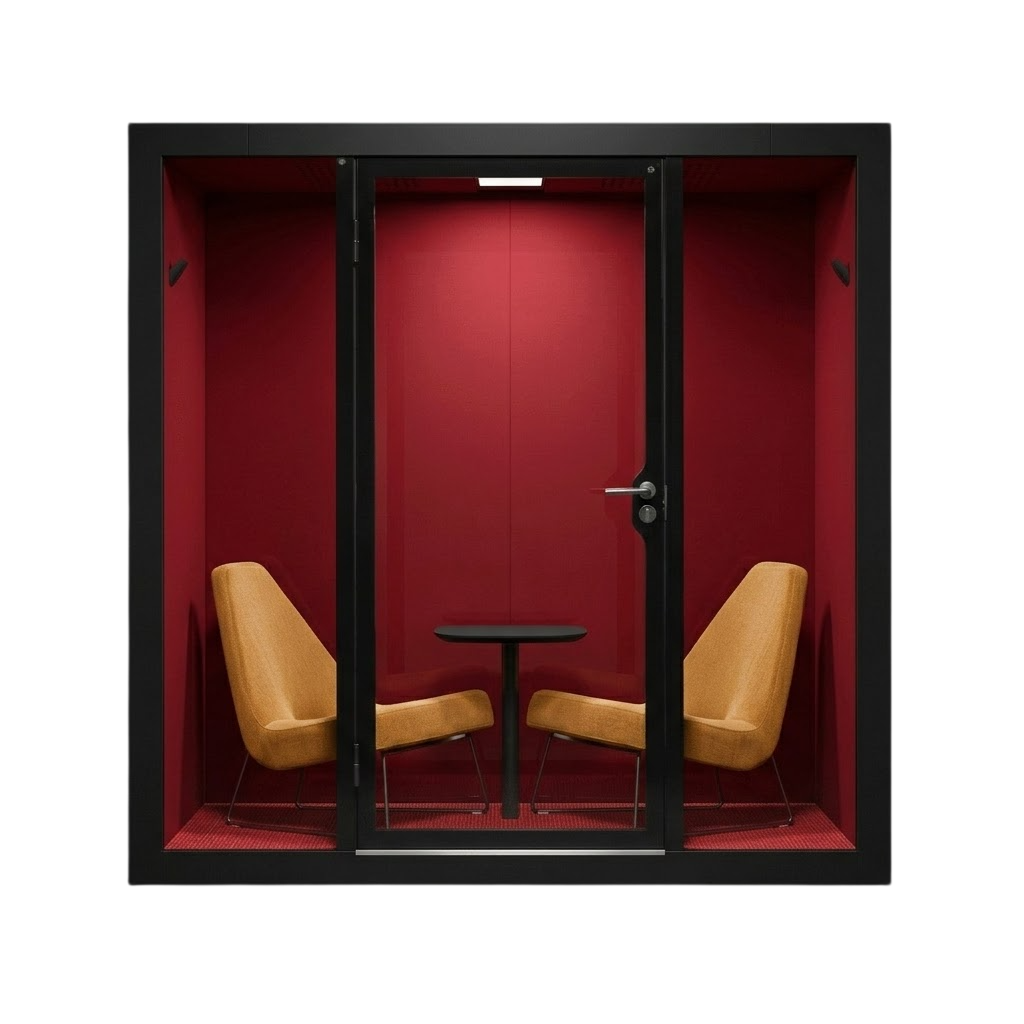
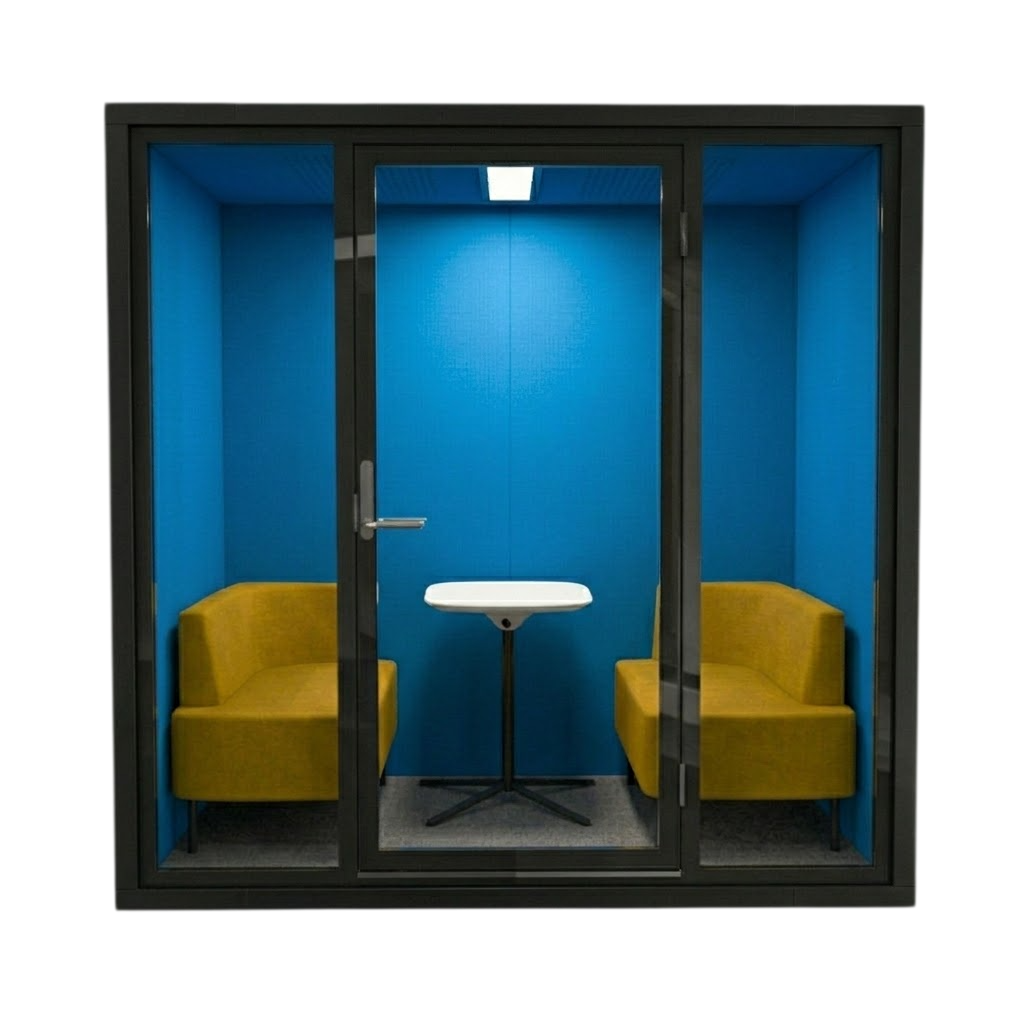
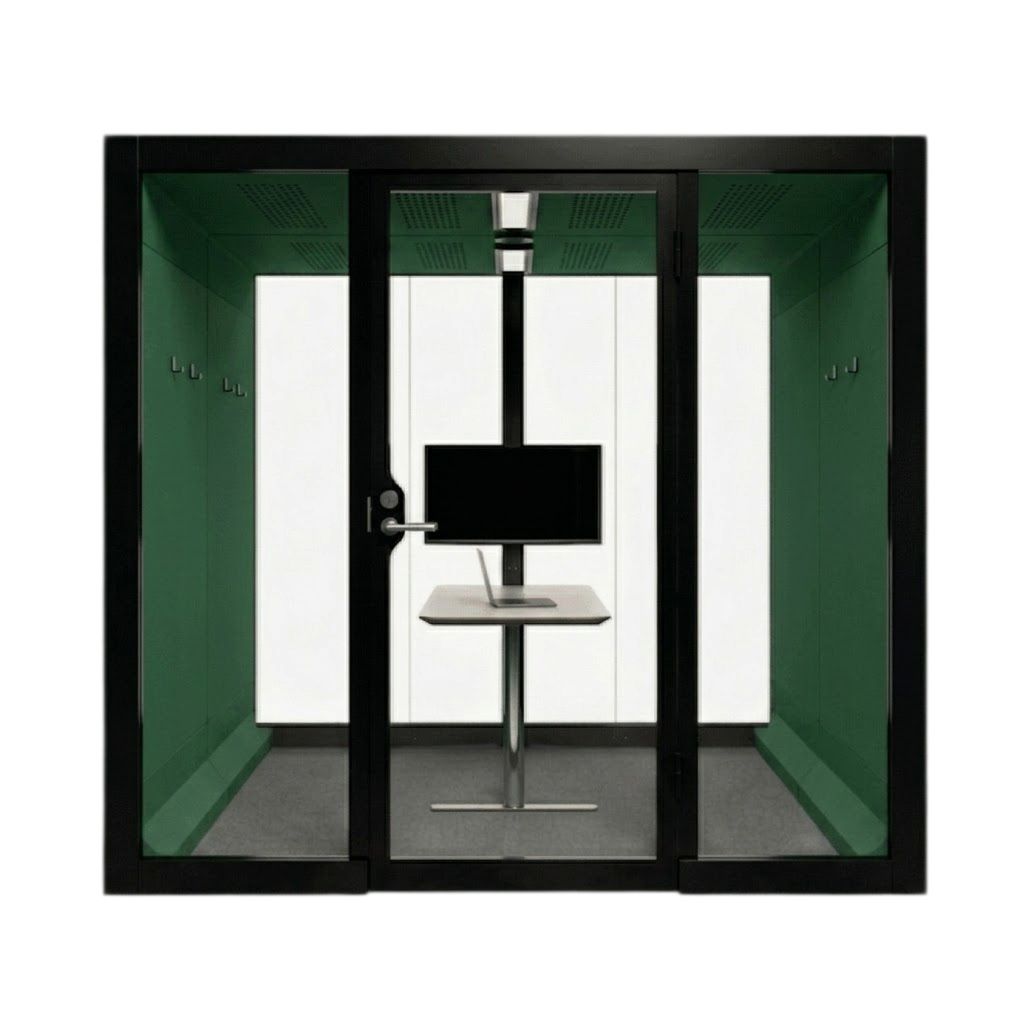
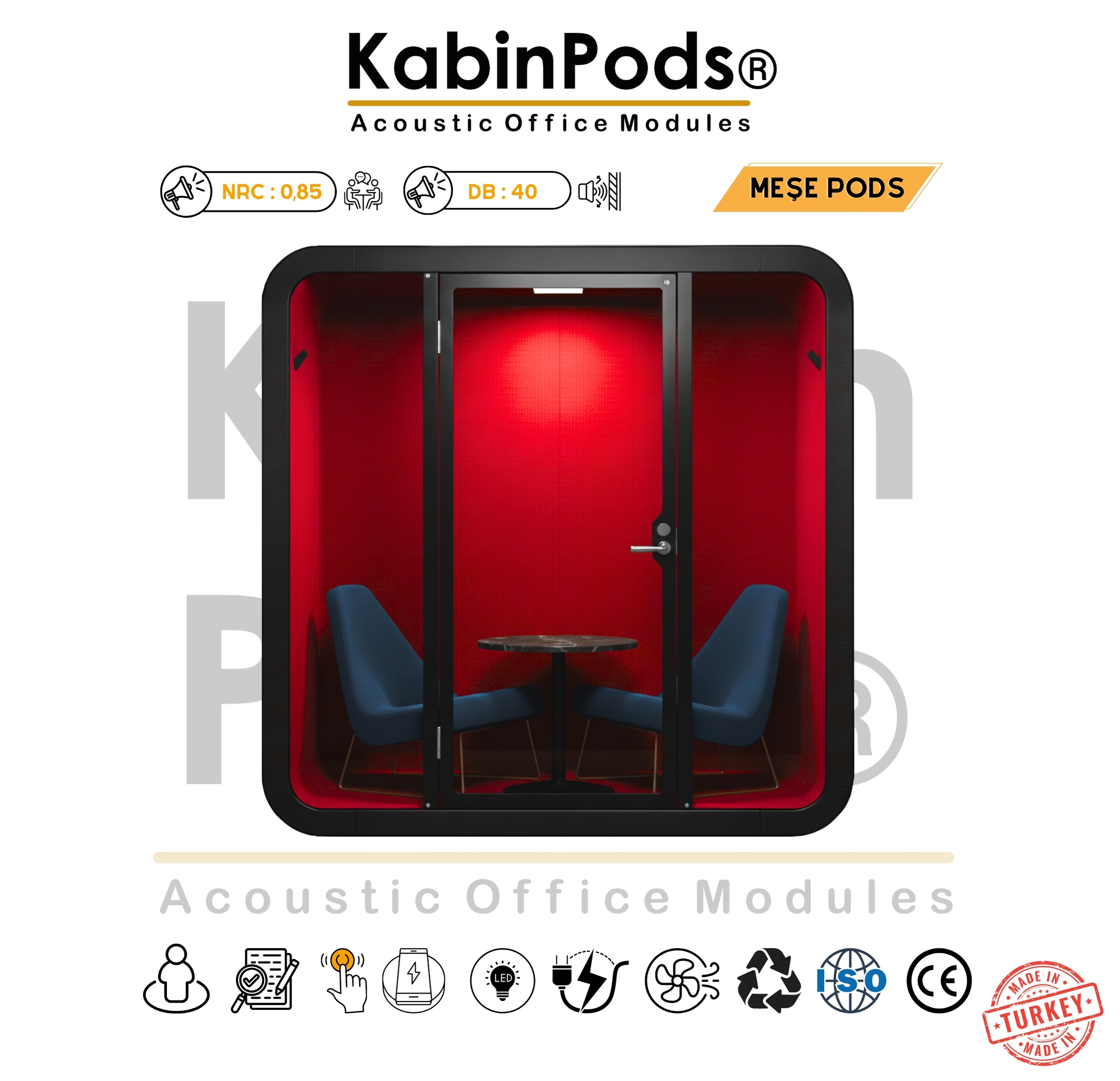
Meeting pod and acoustic booth manufacturing
Locally manufactured meeting pod solutions

Meeting Pod and Acoustic Booth Manufacturer

Meeting pods answer your need for comfortable, quiet spaces inside the office.

  • BenefitsSupports productivity and a calmer work rhythm.
  • SilenceCreates a personal zone separated from outside noise.
  • PrivacyGives you a dedicated space for conversations inside the office.
  • Different sizesAcoustic meeting pod models from 1 to 8 people fit varied needs.
  • FocusImproves concentration and performance during work sessions.

KabinPods acoustic booth models are built for silence in your workplace.

WHO WE ARE

Meeting Pod Manufacturer Meet KabinPods

Since 2015 KabinPods has built acoustic booths for offices, creating quiet, controlled and comfortable meeting spaces in more than 500 companies. With corporate references including Mercedes, Microsoft and Tosyalı Holding, KabinPods produces more than 100 pods each month in its own facilities.

A Turkish production team runs every step from design to manufacturing in-house. Each meeting pod is built in Turkey with acoustic performance, material durability, ventilation comfort and long service life as core goals.

Every acoustic booth KabinPods makes carries CE, ISO, TSE and EN certifications. On delivery or on request, all certificates are shared transparently with the client.

40 dBSound insulation
500+Meeting pods delivered
100%In-house production

High acoustic performance

Multi-layer body, sound barrier and acoustic glass engineered to target among the highest sound insulation values in Turkey.

In-house manufacturing

Design, body production, interior cladding, electrical infrastructure and quality control run inside KabinPods.

Corporate project experience

Cabin planning at office scale with teams that count Mercedes, Microsoft and Tosyalı Holding among their references.

We design silence in your office with our meeting pods

From planning to pod placement, we deliver modular cabin solutions for clear speech zones and lasting comfort in open offices.

40dBSound insulation
500+Pods installed
100%In-house production
  • Acoustic engineering

    Detail engineering on body joints, door seals and glass lines to cut sound leakage, improved continuously through measurement and field feedback.

  • Lighting and ventilation

    Even LED lighting for long sessions, adjustable fan speeds and fresh air circulation to balance comfort inside the pod.

  • Designed and built in Turkey

    Serial production, quality control, on-site installation and after-sales support run from KabinPods facilities in Istanbul under one roof.

KabinPods phone booth: in-office installation view

ACOUSTIC OFFICE SPACE

What Is a Meeting Pod?

A meeting pod is a modular cabin system that creates a quiet, controlled, ready-to-use conversation area inside an open office without building a separate room. It reduces outside hum, limits how clearly speech inside reaches the work floor, and gives teams a professional space they can use quickly throughout the day.

An office meeting pod is not simply a small volume with a door. Real performance appears when body layers, glass structure, door seals, interior absorption, ventilation flow, and lighting distribution work together. That is why a quality acoustic meeting pod must protect both speech privacy and clarity for people inside at the same time.

  • Acoustic structure: Multi-layer body, laminated glass, and sealed door combination provide more balanced sound control in speech frequencies.
  • Interior comfort: Quiet fan, adequate air renewal, and eye-friendly LED light determine whether the pod is chosen for long meetings.
  • Flexible use: Meeting pods can be positioned for 2-4 person conversations, online presentations, interviews, and project reviews without fixed renovation.
  • Privacy: Creates a personal zone so meetings inside are not heard clearly across the office.
  • Efficiency: Builds a new work area independent of outside noise so conversations proceed more calmly and without interruption.
  • Different capacity options: Sizes for 1-8 people can be tailored to your office layout and usage needs.
  • Concentration: Reduces distracting sounds to improve focus and work performance.

Choosing the right meeting pod is not about placing a product randomly in the noisiest corner. First read how many people meet, for how long, and at what privacy level. HR interviews, sales calls, manager reviews, and software sprint meetings pull different expectations from the same pod; dimensions, desk layout, and interior equipment should match that use.

Acoustic meeting pods are especially valuable in hybrid work because online meetings are no longer a side activity but part of the office daily rhythm. In a well-designed pod the microphone picks up less ambient noise, camera lighting looks more balanced, and participants can continue without interrupting the conversation. That difference is felt directly in a short client presentation and in an internal decision meeting alike.

What Materials Do We Use in Our Meeting Pods?

KabinPods meeting pod models are built with high sound-insulation body layers, acoustic absorption surfaces, and long-life hardware. While many manufacturers offer around 40 dB sound insulation, we target 50-55 dB under correct installation conditions. That difference comes not only from panel thickness but from how the sound barrier, glass, door sealing, interior lining, and floor layers work together.

  • Sound barrier: High-density barrier layers inside the body reduce speech frequencies leaving the pod and strengthen meeting privacy.
  • Acoustic panels: Fabric-covered acoustic panels on interior surfaces control echo and, with NRC 0.97 absorption, help speech sound clearer inside.
  • Acoustic laminated glass: Laminated glass limits sound transfer while keeping transparency, especially for confidential conversations in office meeting pods.
  • Interior lining: Fabric-covered acoustic panels increase absorption and create a warm, professional, camera-friendly surface inside the pod.
  • Exterior finish: Fabric cladding helps the pod blend naturally with office furniture and gives a clean, corporate look on the outside.
  • Floor: Anti-slip acoustic carpet reduces slip and stops footfall, chair movement, and floor vibration from growing inside the pod.
  • Lighting: Sensor-controlled 4000K LED lighting activates when a meeting starts and provides balanced light for face-to-face and video sessions.
  • Ventilation: 16 dB ultra-quiet fan system maintains fresh airflow without noticeable motor noise inside the pod.
  • Air circulation: Interior air is fully renewed in about 3 minutes, reducing stale air, heat buildup, and a closed-room feeling in long meetings.
  • Power and connectivity: 2x220V, 2xUSB-A, and 2xUSB-C outlets allow laptop, phone, tablet, and meeting equipment to be used at the same time.
  • Wireless charging: 15W Qi wireless charging keeps phones usable throughout a meeting without cable clutter.
  • Accessories: Seat, desk, and hook options make the pod a ready work and meeting area, not only a quiet volume.

Our meeting pod bodies weigh approximately 300 kg; that weight helps the pod stand more steadily against vibration and lets sound-insulation layers work efficiently. In production we use TSE, CE, and ISO certified components to combine acoustic performance, electrical safety, and long-life expectations in one product architecture.
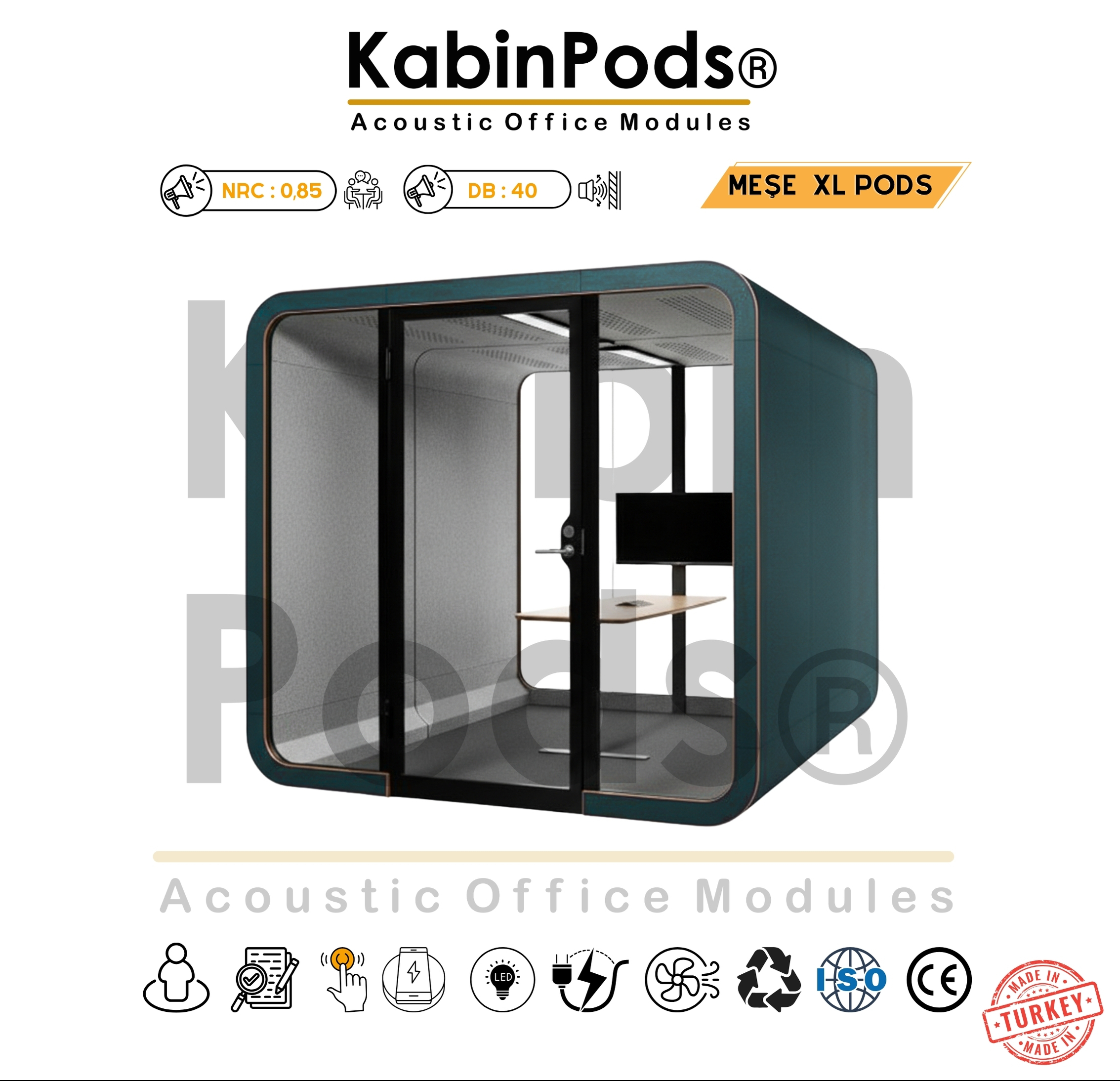
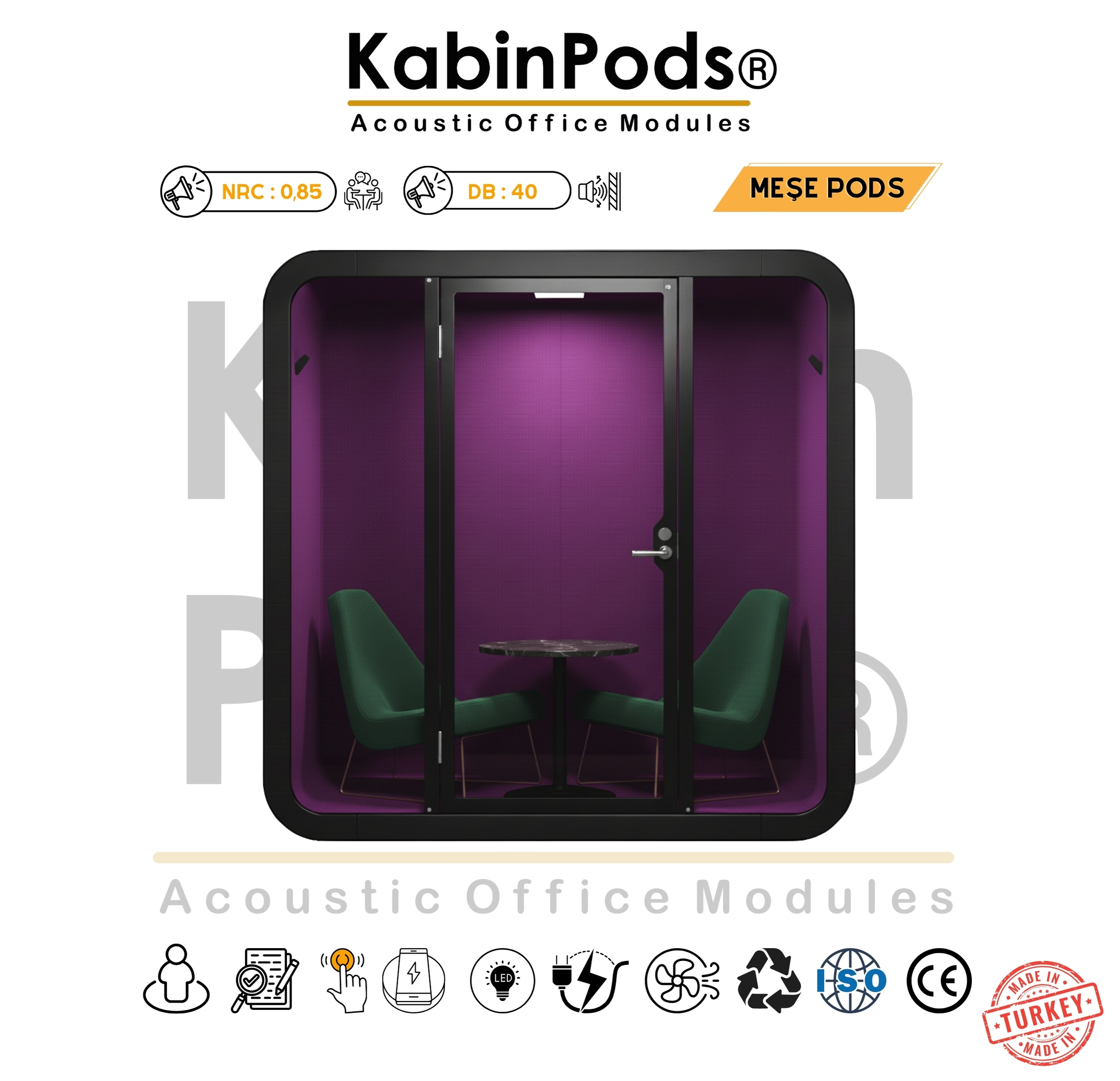
KabinPods meeting pod interior view
KabinPods acoustic booth technical view

Acoustic Booth Technical Features

KabinPods acoustic booth models are designed not only to create a quiet room in an open office but for speech privacy, interior air quality, safe electrical use, and long-term field performance. Every technical detail works together so speech stays clear inside and office noise does not interrupt the user during a meeting.

  • Sound insulation: Multi-layer body, sound barrier, acoustic laminated glass, and sealed door combination reduce intelligible speech leaving the pod. Under correct placement and installation, 50-55 dB sound insulation is targeted.
  • Acoustic absorption: Fabric-covered acoustic panels on interior surfaces suppress echo and improve speech clarity. With NRC 0.97 absorption, sound does not bounce harshly inside the pod.
  • Modular design: Installs without permanent changes to the office plan and can be repositioned when teams grow, floor plans change, or relocation is needed. This especially simplifies space management in hybrid work.
  • Durable material structure: Approximately 300 kg body weight helps the pod stand steadily on the floor and reduces vibration. Interior and exterior finish choices are planned for long use and corporate office aesthetics.
  • Easy installation: Sectional body structure goes live much faster than classic room construction. After installation there is no dust, debris, or long renovation process inside the office.
  • Fire safety: Certified materials and electrical components are selected for safe use. TSE, CE, and ISO aligned production makes technical acceptance easier on corporate projects.
  • Energy and use efficiency: Sensor-controlled 4000K LED lighting and ultra-quiet 16 dB fan system do more than comfort; they help the pod stay practical, quiet, and user-friendly through the day.
  • Clean air cycle: Air circulation is designed for full renewal in about 3 minutes. Stale air, heat buildup, and closed-space discomfort are reduced in long meetings.
  • Connection infrastructure: 2x220V outlets, 2xUSB-A, 2xUSB-C, and 15W Qi wireless charging let laptops, phones, and meeting equipment be used without cable clutter.
  • Environmentally conscious production: We use long-life, replaceable, maintainable components so the pod keeps performance over years. That supports sustainable service life instead of constant replacement.

PRODUCT GROUPS

Acoustic booths in different sizes

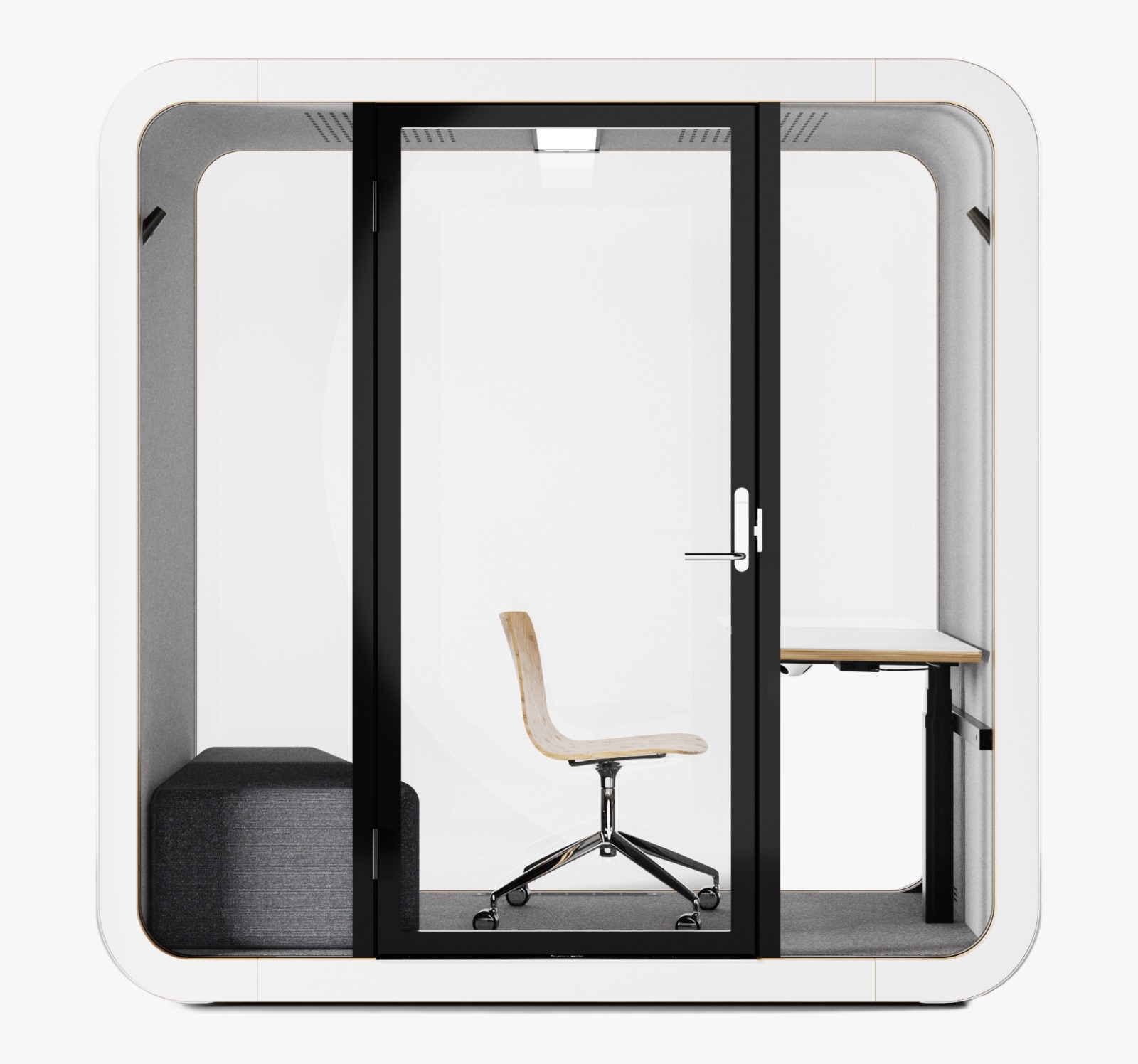
Single-person work booth inside an office

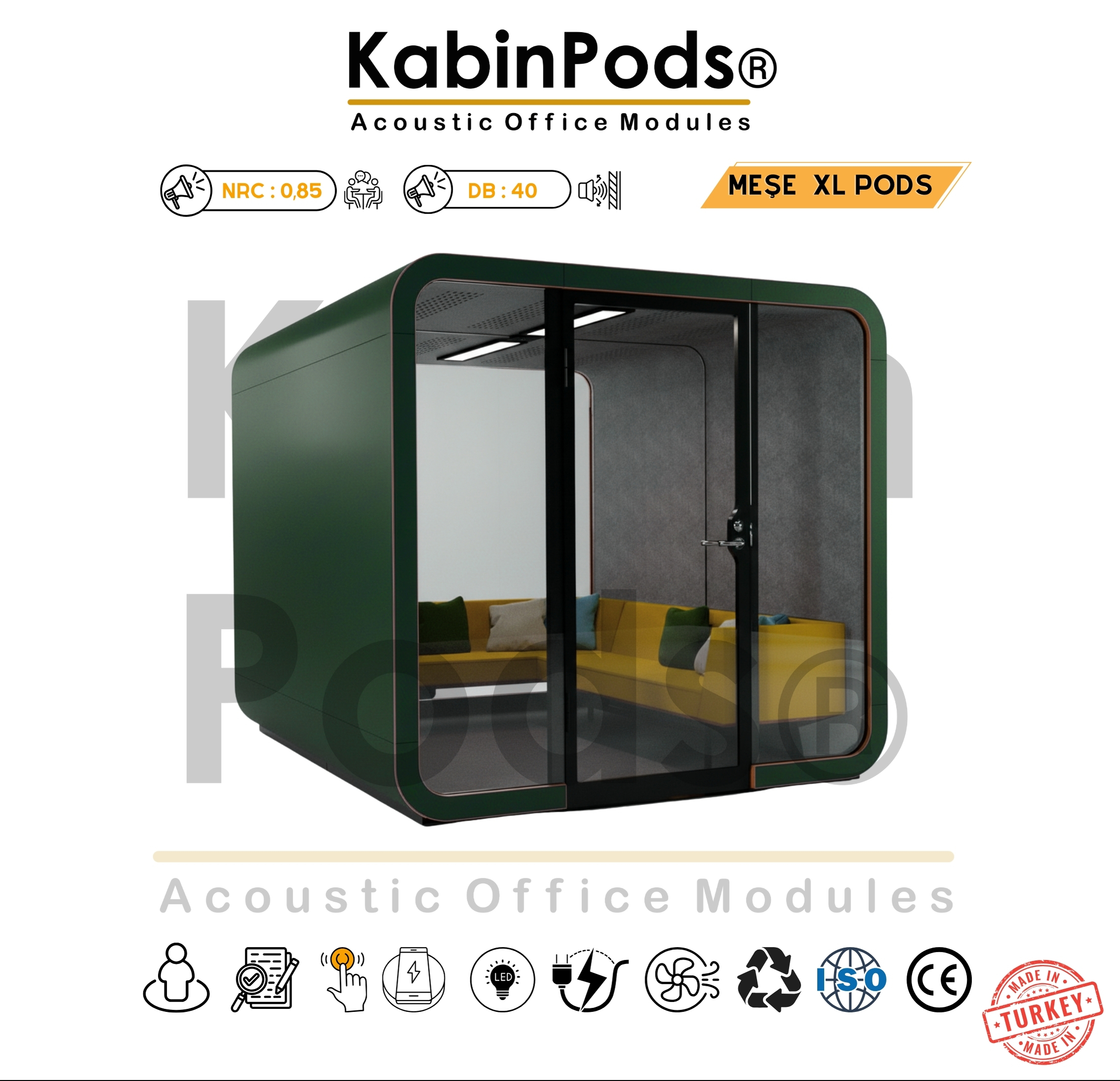
Meşe XL Pod

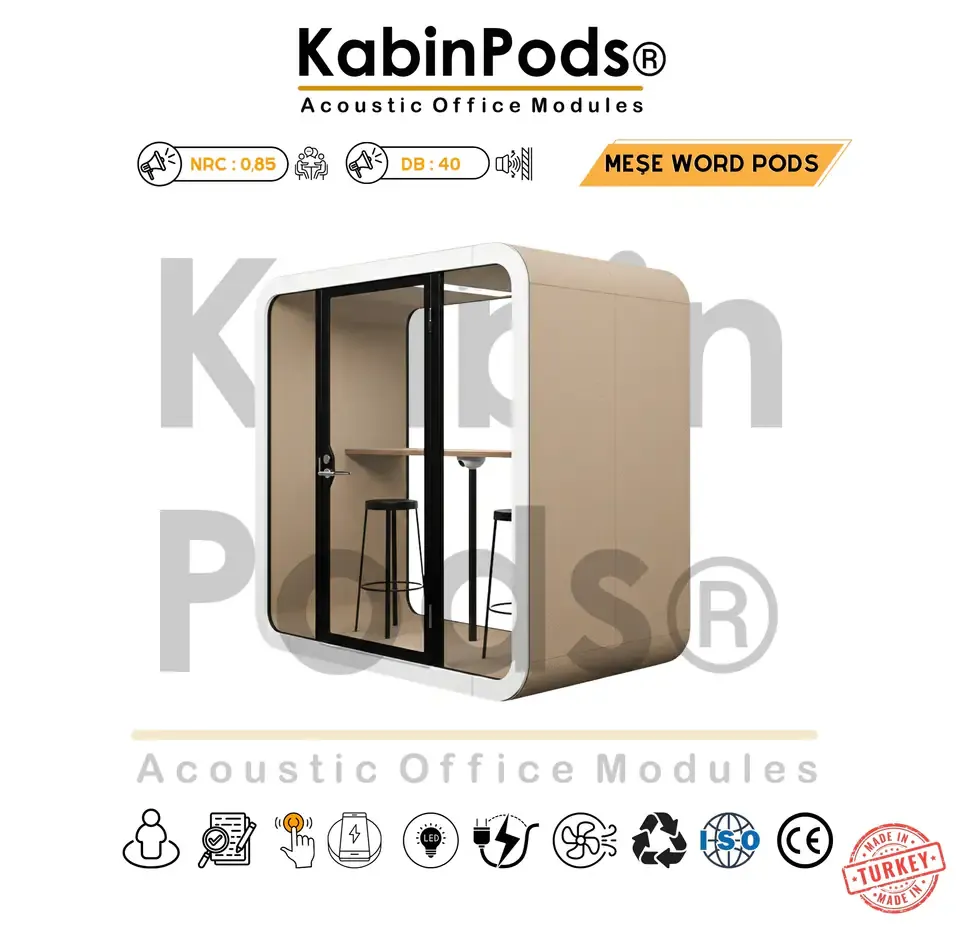
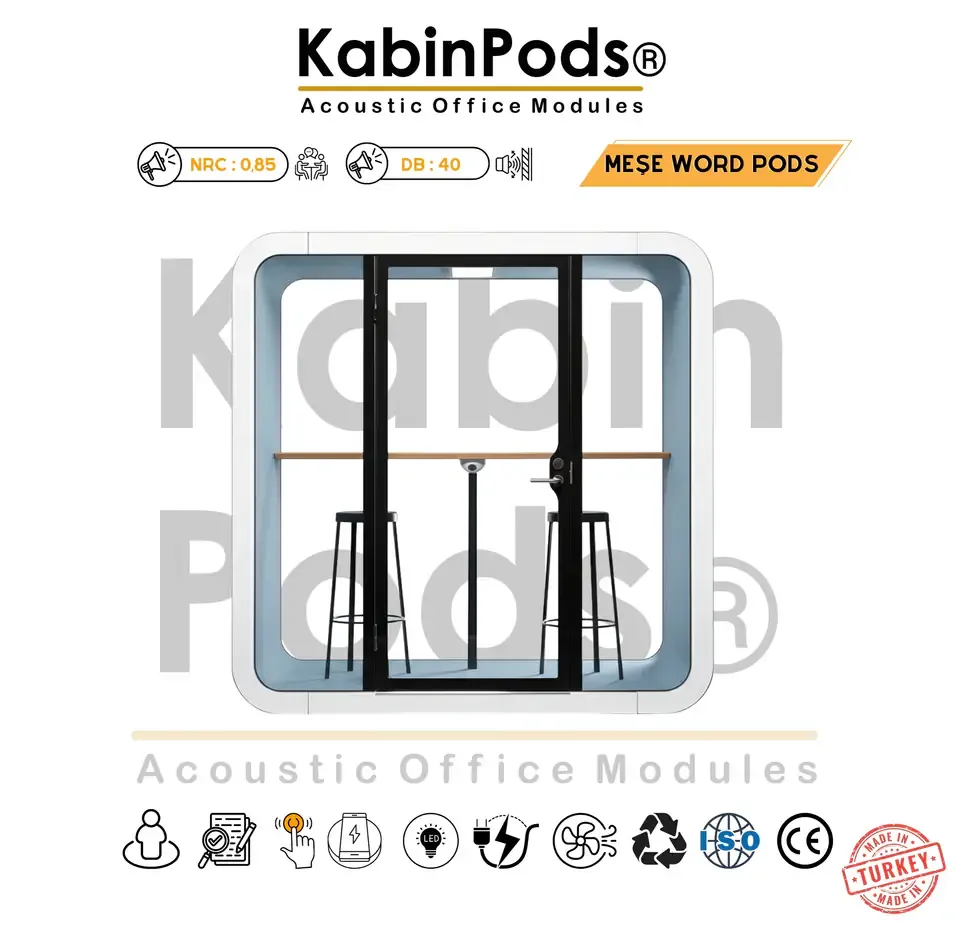
Meşe XL Work Booth is built so larger teams can step away from open-office noise and work comfortably around one table. The generous interior supports project reviews, long team sessions, presentation prep and multi-person focus blocks with real room comfort. A multi-layer acoustic body, laminated glass and fabric-lined panels suppress outside sound while keeping speech inside more controlled. Ready power, USB ports, quiet ventilation and balanced LED lighting let teams start work without extra renovation.

Learn more
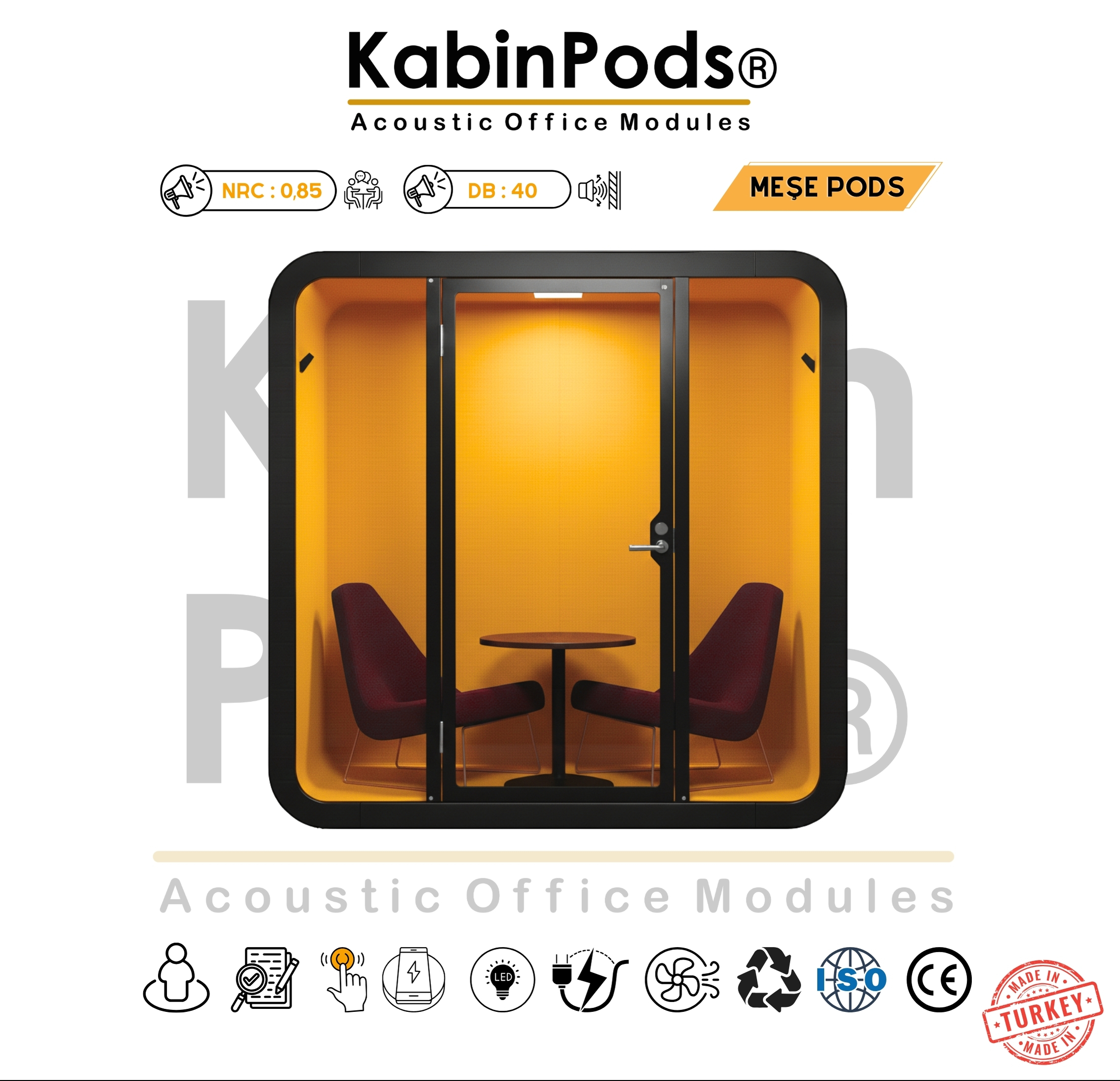
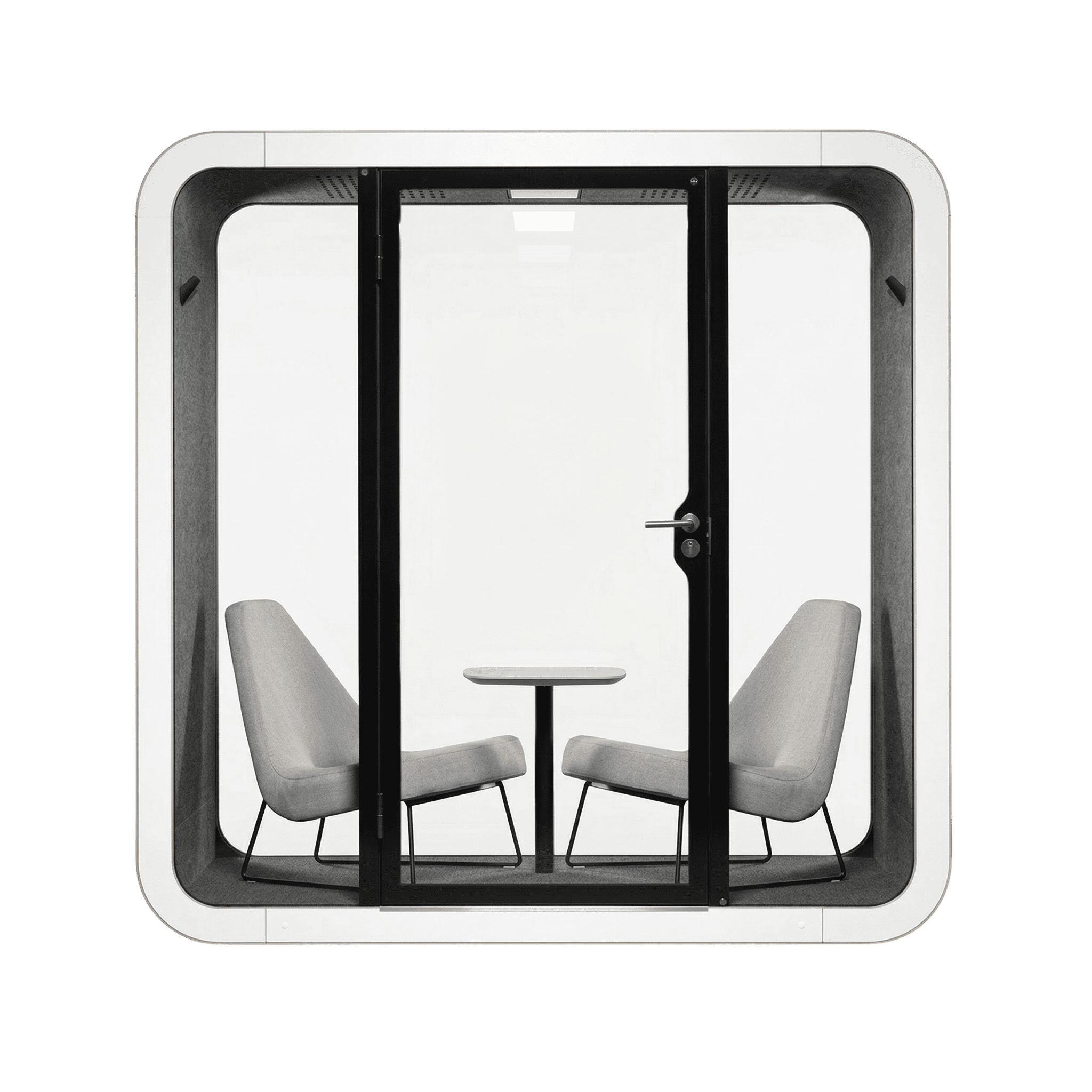
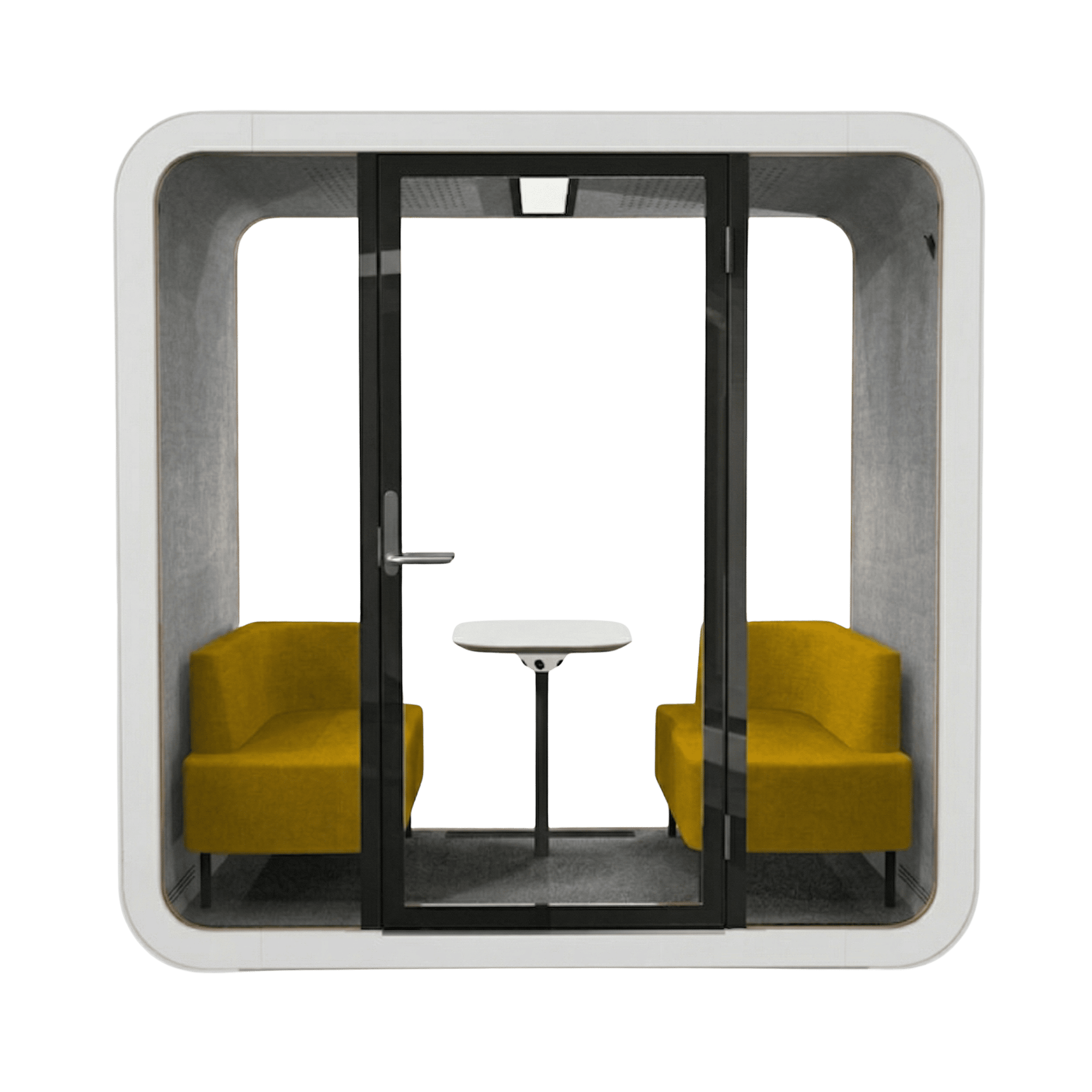
2-4 person meeting pod in an office

Çınar L Pod

The meeting pod creates a quiet, high-presence space inside the office for 2-4 person conversations. During client meetings, online presentations, executive reviews, HR interviews or quick team check-ins, speech stays inside and office traffic does not break the flow. Acoustic laminated glass, sound barrier, sealed door construction and interior absorption panels work together for clearer speech, stronger privacy and a more professional meeting experience. The modular build installs quickly on the floor or department that needs it without constructing a classic meeting room.

Learn more
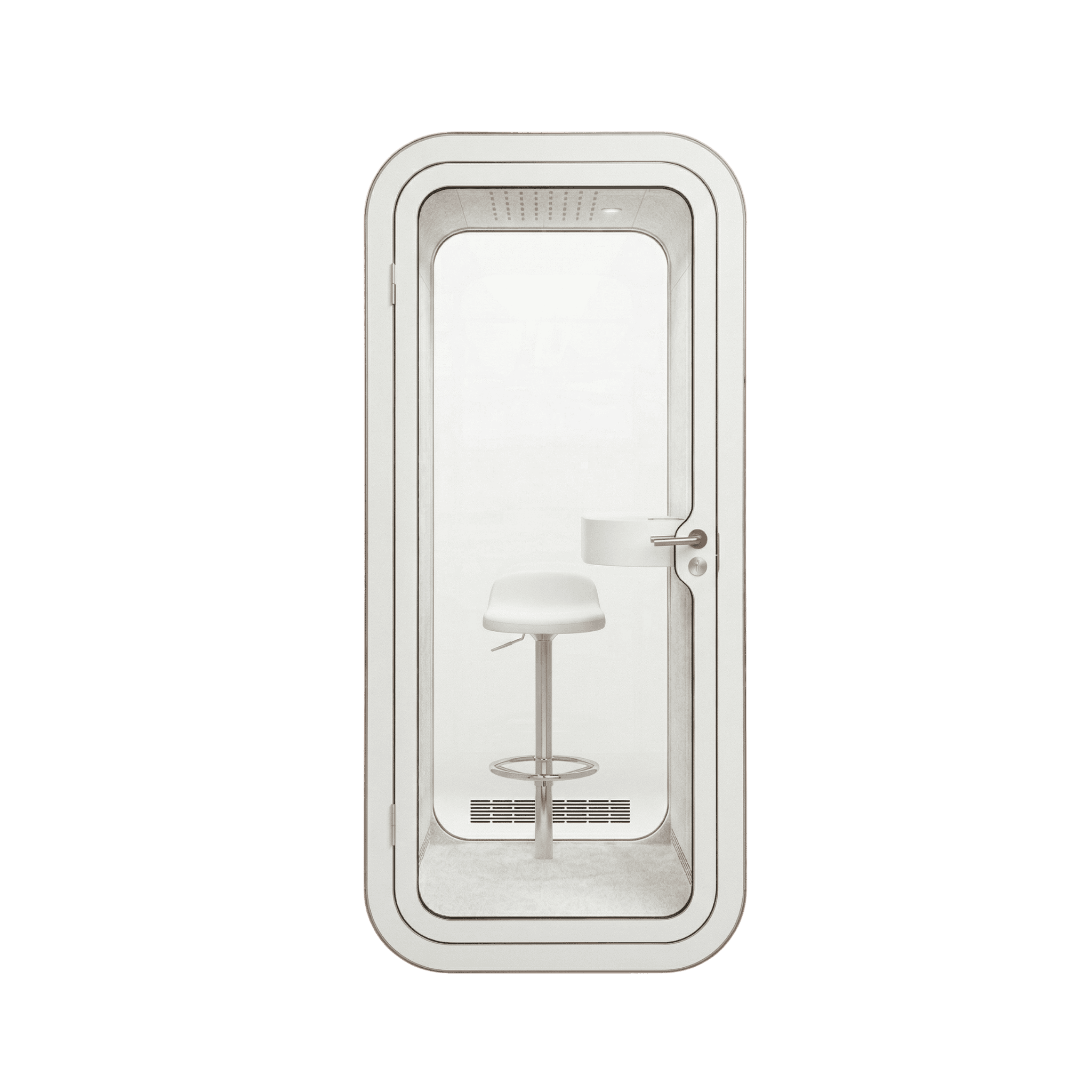
Single-person phone booth in an office

Ladin S Pod

Ladin Phone Booth is the most practical quiet zone in an open office for teams that call all day. It gives users a single-person controlled volume for sales calls, private phone conversations, short video meetings or quick client callbacks. The compact footprint saves floor space while acoustic lining, laminated glass and a quiet fan protect speech privacy. A work shelf, power and USB ports support phone, laptop and headset use. In call-heavy offices it reduces corridor conversations and strengthens both privacy and overall office calm.

Learn more

CLIENT REVIEWS

What our clients say

EXCELLENT

Based on 500+ corporate clients.

Google

Mert Yılmaz

Fibabanka

03/01/2025

Open-office noise at our headquarters had become a serious problem during meetings. KabinPods meeting and phone booths let us run confidential conversations comfortably and noticeably improve team focus.

Ayşe Kara

Mercedes

22/02/2025

Our showroom and office areas handle client traffic and team meetings at the same time. KabinPods phone and work booths helped us control sound spread and meet clients in a more professional setting.

Mehmet Demir

Mia Teknoloji

16/03/2025

We found KabinPods while looking for quiet work areas for our software team. The acoustic performance and ventilation quality of the work booths made long focus sessions much more comfortable.

Elif Çelik

Borusan Otomotiv

04/04/2025

Finding a quiet spot for our sales team phone calls was difficult. Phone booths improved employee comfort and protected the privacy of client conversations.

KabinPods meeting pod positioned in a modern office

MEETING POD USE CASES

Where Are Meeting Pods Used?

A meeting pod pulls conversation traffic into a separate volume without adding permanent walls to the office plan. The strongest need appears in open offices where phone calls, online sessions, quick team talks, and daily operation noise stack in one area. The pod moves that traffic out from between desks into an acoustically defined point.

In corporate offices an office meeting pod is most often chosen for client calls, executive meetings, HR interviews, sales briefings, and quick department reviews. It stops two people from blocking a large meeting room for a long time; a 2-4 person pod spreads reservation load and uses floor area more efficiently.

In hybrid work the pod value also shows in camera and microphone performance. Colleagues walking behind no longer enter the frame, desk microphones pick up less office hum, and participants move forward without repeating themselves. For teams heavy on Teams and Zoom that difference directly affects daily meeting quality.

  • Open offices: Splits conversation intensity into zones and reduces constant interruption between desks.
  • HR and executive conversations: Provides a closed, calm meeting setup for pay, performance, and hiring talks that can be recorded when needed.
  • Sales and customer teams: Raises presentation quality in quote, demo, and preview flows; users focus on screen, product, and client.
  • Project and software teams: Speeds short decision cycles in sprint planning, code review, and screen-share sessions.
  • Education, health, and campus areas: Offers a modular room alternative for group work, consulting, administrative talks, and short sessions near waiting areas.

Choosing the right location is not only about empty floor area. Coffee zone, corridor flow, department density, power lines, and elevator access are judged together. A well-placed pod becomes a natural stop in the daily path, not a forgotten corner.

What Should You Consider When Choosing a Meeting Pod?

The first decision when choosing an acoustic meeting pod is capacity. How many people sit inside at once, average meeting length, and which equipment sits on the desk directly set the size. A two-person client preview and a six-person project session cannot share the same desk depth, leg room, and air volume.

The second decision is the acoustic package. A quality meeting pod is not only thick panels; sound barrier, acoustic laminated glass, door seals, interior absorption, and floor layers must work together. One weak joint on site can lower performance even with strong materials.

The third topic is user behavior. If air feels heavy inside, the fan is audible, or light ruins the camera image, teams stop using the pod. Fan flow, 16 dB operating level, 4000K LED spread, outlet position, and screen alignment should be planned together.

  • Capacity: A 1-2 person call pod and a 4-6 person acoustic meeting pod do not serve the same purpose; occupant count should match real meeting habits.
  • Acoustic value: Instead of one brochure number, review speech-frequency insulation, interior reverberation, and door-glass joints together.
  • Ventilation: Air renewal time should match pod capacity; the fan line should not act like a sound leak channel.
  • Power and connectivity: 220V outlets, USB-A, USB-C, wireless charging, and data ports should sit where they do not create cable piles on the desk.
  • Installation and relocation: Demountable body should fit site conditions such as elevator, door width, and floor plan.

The right choice is not buying the largest catalog model. The strongest result comes when office noise sources, team calendar, room occupancy, power lines, and foot traffic are read together. At KabinPods the recommendation starts with the real usage scenario, not the product name alone.
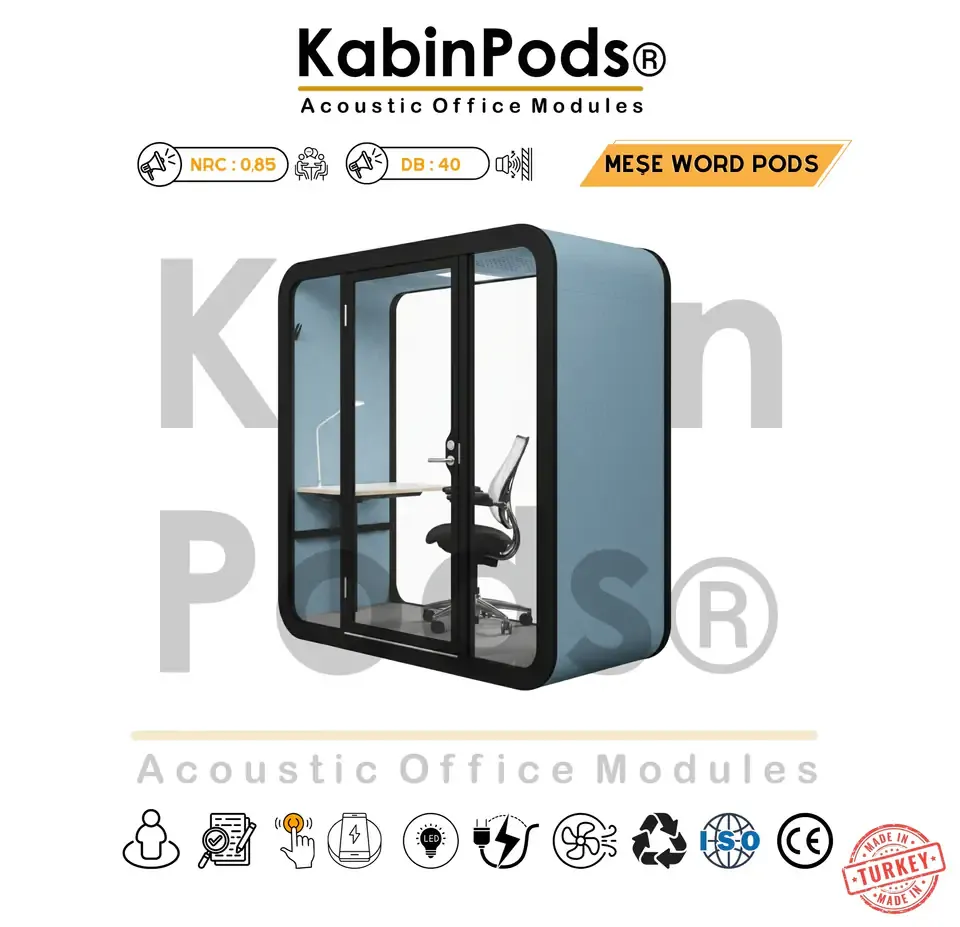
Modern office environment using KabinPods meeting and work pods
KabinPods meeting pod for multi-person conversations and presentations in the office

Acoustic Booth Prices 2026

Acoustic booth prices change with occupant capacity, body size, glass package, interior finish, ventilation infrastructure, and electrical equipment. A single-person phone booth and a 6-8 person large meeting pod do not share the same material density, floor area, or equipment needs.

Leading KabinPods booth models and starting prices for 2026 are listed below:

  • Single-Person Phone Booth: Compact acoustic booth for phone calls and short online meetings. $4,450 USD
  • Ladin Series Soundproof Booth: Quiet booth for one-person focus, phone calls, and online sessions. $4,450 USD
  • XL Ladin Silent Booth: One-person individual work and concentration space. $4,500 USD
  • Ladin Series Acoustic Booth: Expanded acoustic booth for 1-2 person conversations, work, and short meetings. $4,500 USD
  • Phone Call Booth: Acoustic phone booth for heavy call load, sales conversations, and private talk. $4,550 USD
  • Ladin Acoustic Phone Booth: One-person phone, video call, and quiet work space. $4,650 USD
  • Office Meeting Pod Meşe XL: Acoustic meeting pod for 2-4 person client calls, team meetings, and online presentations. $7,550 USD
  • XL Acoustic Office Cabin: Modular office pod for 2-4 person conversations, focused work, and department meetings. $8,200 USD
  • XXL Meeting Pod 6 - 8 Person: Team meetings, project work, and long shared work for 6-8 people. $12,200 USD

Final price can vary by acoustic package, color and fabric choice, glass type, outlet and USB equipment, wireless charging, desk and seat layout, freight, and installation conditions on a project basis. For accurate pricing, define upfront how many people will use the pod, in which department, and how often.
Quiet, Comfortable Solutions for Your Meetings

Productive meetings start when participants hear each other comfortably and stay on agenda. That needs a space that feels like a room but does not lock the office plan. An acoustic meeting pod places that need inside the office without a construction cycle.

KabinPods meeting pods cut time lost in client presentations, executive reviews, HR interviews, and internal decision sessions. Users move to a ready space instead of hunting for an empty room; laptop, phone, and presentation gear sit near the desk with the connections they need.

  • Acoustic separation: Pulls conversation traffic away from work desks and creates a more orderly sound map in the office.
  • Interior quality: Air renewal, light spread, and seating distance reduce physical fatigue in long sessions.
  • Ready connections: Outlets, USB, wireless charging, and cable pass-through keep devices from looking messy on the desk.
  • Plan change tolerance: Modular structure makes it easier to move the pod when teams grow or floor layout changes.

A well-planned pod does more than add room count; it eases reservation pressure, pulls short meetings out of large rooms, and gives a more consistent client reception experience. That effect is especially noticeable for teams running dense calendars every day.

Meeting pod or meeting room?

A classic meeting room brings together field items such as drywall, glass, electrical work, HVAC, and plaster. Timeline stretches, budget swings, and exit planning gets harder for tenant offices. A meeting pod is a factory product, shipped demountable, and in most projects live the same day or soon after. Meeting pod investment is practical for companies that want to cap construction risk with product warranty and a clear delivery schedule.

The difference between a meeting pod and a meeting room is not only a wall. In a meeting pod sound insulation, ventilation, and lighting are engineered in one body; door seals, glass, and interior absorption are tested together. A walled room can reach the same unity but depends on workmanship and subcontractor quality. When choosing a meeting pod, ask about assembly discipline and measurement language, not only one brochure number.

On cost tables the meeting pod is usually more predictable: product, freight, and installation lines clear up. In a meeting room post-survey add-on work can grow the total. When the office plan changes, the meeting pod can move to another floor or address; the meeting room stays fixed. That is why growing or hybrid teams often prefer meeting pods.

For privacy and data protection both can work; the difference is speed. A meeting pod is ideal for sales and HR lines that need to separate sensitive talk from the open floor quickly. Very large jury-style scenarios may still need a meeting room. Many corporate plans keep both: room for long decision meetings, meeting pod for dozens of short daily sessions. In that model the pod spreads reservation load.

Procurement teams ask whether a meeting room would do the same job. The meeting pod answer sits in risk distribution: contract scope, installation, and warranty revolve around the product. A meeting pod can also be piloted first; measure use with one pod, then decide on a second with data. That makes meeting pod strategy more measurable.

Acoustic goals may look similar but meeting pod performance must be read with capacity. A two-person meeting pod and a six-person meeting pod cannot share the same fan flow and desk depth; as interior volume grows, speech distance and screen count change. In a meeting room wide volume can increase echo and need separate acoustic treatment; a meeting pod manufacturer brings that balance with the product. When comparing meeting pods, look at daily user rhythm, not floor area alone.

Which Meeting Pod Capacity Fits Which Scenario?

The first question in meeting pod selection is how many people sit inside at once. A one or two-person meeting pod suits heavy phone load, short client calls, or one-to-one performance talks. At this scale the meeting pod turns fast; on sales and call floors adding meeting pod count shortens queues.

A four-person meeting pod is the most requested band for screen-share presentations, small team decisions, and client previews. In teams with heavy video traffic a four-person meeting pod carries daily rhythm without waiting for a large meeting room. Camera angle and desk layout inside the meeting pod should be planned together.

A six to eight-person meeting pod suits long sprints, large-screen demos, or weekly department planning. In this class ventilation and outlet load need separate calculation; otherwise the meeting pod feels tight quickly and fan noise covers speech. When choosing a meeting pod, ask how many people usually sit together, not which is the largest model.

In hybrid models a meeting pod gives remote participants stable sound and camera space. Colleagues walking behind no longer enter the frame and meeting pod use rises. If capacity is too small the team squeezes at the table; if the meeting pod is too large investment sits idle. Meeting pod planning should use weekly calendar data.

In HR and executive talks a meeting pod raises privacy expectation; in finance and legal units meetings inside a meeting pod feel more controlled than at an open desk. Product and software teams use meeting pods for short code review blocks. If meeting pod count is not spread by department, corridor conversations return.

Marketing calendars see morning demos, afternoon client calls, and evening internal presentations with different occupant counts; if meeting pod capacity is sized for the lightest slot, midday crushes appear. Reservation software shows which pod is tight and ties second meeting pod need to data. A meeting pod quote should list exterior size, interior seating diagram, and electrical points so delivery stays predictable.

Finally meeting pod maintenance should be routine: clean glass and ventilation grilles extend life. A meeting pod with right capacity and location raises occupancy; an empty meeting pod usually means wrong place or wrong size. Testing meeting pod choice with a short pilot week secures the investment.

Logistically meeting pod size is limited by elevator and door width, so site measurement before selection is critical. After the meeting pod leaves the factory it cannot be enlarged on site, so a wrong meeting pod decision is costly to reverse. When IT and workplace safety check outlets, data, and cable pass-through at meeting pod delivery, use ramps up faster. A meeting pod should be planned with operations and IT, not only facilities.

What Is an Acoustic Booth and What Does It Do?

An acoustic booth is a factory-built modular shell that separates conversation, phone calls, and short meetings from the work floor in an open office. If body layers, door seals, glass line, and interior absorption are not considered together, sound inside leaks out and outside noise grows inside the pod. An acoustic booth is therefore not only a closed volume but a product with measurable sound behavior.

  • Conversation privacy: Limits sentences from client, HR, and finance talks spilling into the corridor.
  • Focus: Keeps distracting office traffic away from the desk during deep work or long video meetings.
  • Fast deployment: Instead of long renovation, use begins once the pod arrives on site and power and ventilation are connected.

At KabinPods, acoustic booth production links measurement, assembly discipline, and field feedback. The same panel thickness does not give the same result in two different sites: door alignment, floor level, and how glass meets the frame determine performance. When choosing an acoustic booth, ask which details are fixed at factory standard rather than relying on a brochure photo alone.

A common field mistake is squeezing the pod into a corner just so it does not let sound through. A narrow channel between pod and wall makes cleaning harder and can throw off panel alignment during installation. A second frequent mistake is an electrical line that cannot carry in-pod load: when four people plug in laptop, monitor, and phone at once, the outlet group trips; users run an extension cord over the door threshold and shorten seal life. A third mistake is not writing reservation rules; without rules the pod is either always full or sits empty because nobody thinks it is in use.

How Is Sound Insulation Achieved in an Acoustic Booth?

Sound insulation is not a single dB number for buyers. Energy leaving the pod in speech frequencies drops through density layers in the body, corner joints, and laminated glass together. The weak link is usually under-door air leakage, the glass frame, or where the pod meets the ceiling: one leaking line can undo panels that looked good in measurement.

Inside, reverberation time and speech clarity are managed with absorption surfaces. Insulation says keep it inside; absorption says do not let speech sound muffled inside. If the two are not balanced, the pod feels like a tunnel or amplifies outside hum. In an acoustic booth quote, make sure both topics are explained together.

Advantages of Acoustic Booths in Open Offices

In open offices the biggest cost is often interruption: every phone call, short question, and side-desk conversation starts a chain reaction. An acoustic booth breaks that chain: the user goes inside, the door closes, and traffic rhythm stays outside. Turnover is higher than fighting for a hard-to-book large meeting room; a 15-minute two-person client preview does not block a big room all morning.

  • Plan flexibility: When the team grows, the pod can move to a new floor; that is not always possible with a walled room.
  • IT fit: Outlets, USB, and data ports sit near the desk; cable piles shrink.
  • Measurability: Tracking which pod fills up supports a data-based decision for a second booth.

Where Are Acoustic Booths Preferred?

Sales and customer success teams move phone and short demo traffic into pods. Software and product teams run code review and screen share at the same desk layout. HR and executive lines expect high privacy; the pod keeps tone that struggles at an open desk. In call-center layouts, booth count ties directly to service level: when no pod is free, wait time grows.

For four-person team sessions most organizations center the meeting pod band; for heavy single-person calling they plan a separate phone booth line. When both sit on the same floor users clarify which pod is for which task; mixed plans leave booths idle.

Why Is Acoustic Booth Use Growing in Offices?

Hybrid work brought meetings into the daily rhythm: quick team alignment, client previews, and online presentations stack in the same week. In open offices you either keep saying be quiet or you place a physical solution. An acoustic booth chooses the second path and builds space discipline instead of warning culture.

For employers, booth investment counts toward employee productivity and client experience alike. A team walking behind a short client call makes the brand look smaller. A common KabinPods practice is to measure use with a pilot pod first; when occupancy rises, the case for a second pod becomes clear.

In HR and finance, booth use also affects recording discipline. Sensitive talk in open space is risk for employee and company; the pod lowers that risk spatially. When procurement and legal clarify delivery scope, warranty period, and spare-part access in the quote, the booth becomes an operating line item, not a one-off product.

How Is Meeting Room Shortage Solved?

Meeting room count is often too low and bookings collide. An acoustic booth pulls short, frequent sessions away from large rooms and eases reservation pressure. The critical point is choosing the right capacity: a two-person pod for a four-person scenario squeezes the team at the table; a four-person pod for a six-person need still blocks the weekly plan.

Creating Quiet Space for Phone Calls

In high phone-traffic teams, corridor calling becomes habit and hurts both privacy and overall office calm. The phone call booth line gathers call intensity at a fixed point. Inside the pod the microphone picks up less office hum and clarity on the other end improves. Procurement here should ask about fan noise level and interior air renewal time, not price alone.

Details That Raise Employee Concentration

Concentration is not only about silence. Light that does not strain the eyes, seating distance, desk height, and low CO2 feeling inside the pod work together. An aggressive fan tires the ear; a weak fan brings headaches in long sessions. LED distribution affects camera angle; poorly placed light flattens the face on video calls.

  • Ventilation: Air renewal targets grow with occupant count.
  • Outlet placement: Laptop, monitor, and phone plugged in together should not create cable chaos.
  • Floor: Chair movement and footfall should not grow loudly inside the pod.

What Should You Consider When Choosing an Acoustic Booth?

The first question is capacity and session length. The second is location: corridor edge, inside a department, or beside customer traffic? The third is logistics: elevator and door width decide panel passage. The fourth is power and data: is the existing line enough or is floor cabling planned?

How Do You Understand Sound Insulation Performance?

Ask under which measurement conditions and frequency band instead of trusting one brochure value. Installation without an under-door seal erodes lab numbers on site. Whether glass is single or laminated changes speech frequencies. Weak interior absorption makes speech sound dull; users lower the mic and meeting quality drops.

Importance of Ventilation and Lighting Systems

A long session should not feel like a closed box. Air renewal time should scale with occupant count. Lighting should illuminate the face evenly; harsh light from one point grows shadows. At KabinPods these two topics are among the most common field complaints, so they are fixed at factory standard and checked on a post-install list.

How Are Booth Size and Capacity Decided?

Weekly calendar data on how many people usually sit together gives the right size. If demos and client calls are heavy, screen and leg room matter most. If sprint and team work dominate, the wider desk layout in the work pod band may fit better. When choosing size, look at chair swing diameter, not floor area alone; presentations fail in a narrow pod.

What Types of Acoustic Booths Exist?

Single-person lines optimize phone and short video calls. Two-to-four person lines optimize small team decisions, client previews, and screen share. Six-to-eight person lines optimize long sessions, large screens, and higher outlet load. Differences are not only size but fan power, body weight, and interior equipment package.

Single-Person Acoustic Booth Models

Single-person models target fast turnover and minimum footprint. Users stay 30-45 minutes; ventilation and lighting faults show up quickly. Teams looking for an acoustic phone booth should judge glass reflection and interior volume together with camera angle.

Multi-Person Acoustic Booths for Meetings

In multi-person pods desk layout, screen viewing angle, and participants hearing each other must be solved at once. Reservation pressure on large rooms drops in this band, but poor interior layout sends users back to the big room. Catalog photos are not enough; interior seating diagram and outlet points should be written down.

Custom-Size Acoustic Booth Options

Standard sizes may not fit niche spaces. Custom size risk is verifying acoustic package and assembly step by step. Here the manufacturer project discipline matters: measurement, transport route, and on-site sealing checks must run on one line. On KabinPods custom projects, pre-delivery checklist and field feedback loop become critical.

How Acoustic Booths Affect Work Efficiency

Efficiency metrics differ by company, but common signals are prep time per meeting and interruption count. Acoustic booths pull short meetings into ready space and cut interruptions. Over time reservation clashes fall because large rooms are not booked for quick tasks.

Do They Make Focus Easier in Noisy Environments?

Yes, but only if the pod is placed correctly. On the noisiest corridor point, traffic enters every time the door opens. Near the department natural path, occupancy rises. Acoustic booth investment is as much site choice as product choice.

Acoustic Booth Use in Hybrid Work

Camera and microphone stability matter for remote participants. The pod keeps background controlled; at an open desk walking colleagues keep entering the frame. That difference is felt especially in client calls: professionalism comes directly from the environment.

Balance of Conversation Privacy and Comfort

Privacy is not only being unheard; screen direction, sight lines through glass, and laptop closing habits matter too. Comfort is session plus air plus light; if one is wrong, users leave the pod and the investment sits idle.

Important Details in Acoustic Booth Interior Design

Interior design is behavior more than looks: fabric controls echo, desk edge eases cable pass-through, seat height sets leg angle. These details lengthen or shorten meeting time.

Fabric Cladding and Acoustic Panel Use

Fabric choice is not only color; surface acoustic class and cleanability matter. High tea and coffee traffic in offices makes stain-resistant surfaces a separate topic. Panel joints should not form visible lines that collect dust.

LED Lighting and Air Circulation

Light temperature and spread affect skin tone on video calls. Fan flow should stay low; if not, it clashes with speech frequencies. Air circulation should scale with occupant count; otherwise after 30 minutes the pod feels heavy like a closed room.

Ergonomic Desk and Seating Choices

Laptop height, screen distance, and phone use at the same time should be planned together. For long sessions back support and armrest transition matter. These look like furniture topics but are part of meeting efficiency.

Factors That Affect Acoustic Booth Prices

Price ties to capacity, glass package, interior cladding class, electrical equipment, transport distance, and installation difficulty. Two quotes that look the same may use different seal systems, fan class, or floor solutions. Read line by line.

On installation, stairs, ramps, and elevator door size set freight cost; routes with panel damage risk change price. Uneven concrete floors need leveling; bad level ruins door closure and ends sealing early. If these lines are not clear in the quote they appear as add-on work and total cost slips out of control.

How Acoustic Materials Affect Price

Sound barrier class, laminated glass, and interior absorption panels set cost. Cheap solutions usually save at one joint; on site that joint lowers performance. Ask which line was cut instead of asking for the cheapest pod.

Custom Design and Size Options

Custom size adds engineering and production work but may be the only fit for a niche space. Wrong measurement is the risk; correct survey lowers cost. On KabinPods projects measurement and transport route sit in one file so site surprises are avoided.

Material Quality for Long-Life Use

Door handle, hinge line, floor covering, and glass seal wear in daily use. Low material quality breaks sealing after a year and the pod starts to leak sound. Long life needs maintainable, replaceable parts.

Which Sectors Use Acoustic Booths?

Software and technology teams want deep work and short team alignment at once. In call centers booth count is service level. In corporate sales the tone of client conversation comes from the environment. In education, booths support one-to-one feedback and exam interviews.

In health and consulting lines booths raise patient and client privacy; hygiene surfaces and cleaning access matter extra. Administrative units use booths for short discipline or performance talks that are hard in open space. In KabinPods planning we also discuss the risk of different departments using the same pod for conflicting purposes; purpose clash lowers occupancy.

Use in Software and Technology Offices

Code review and screen share are long sessions; fan and light faults produce complaints quickly here. If the pod sits near the developer line, occupancy rises. On days remote workers come to the office, booth use peaks; capacity should be planned for that peak.

Why Call Centers and Corporate Companies Choose Them

In call centers the goal is lower wait time. In corporate companies the goal is cross-department privacy and client experience. In both scenarios booth count and position directly affect operations. Office pod need stands out for wide conversations and multi-person sessions; phone lines are planned separately under heavy call load.

Acoustic Booth Use in Schools and Studios

For one-to-one feedback, portfolio review, or short pre-recording prep, booths cut corridor noise. In studios managing interior echo matters as much as blocking outside sound; interior absorption becomes critical.

In short, an acoustic booth decision brings size, location, acoustic package, and usage rhythm to the same table. At KabinPods the recommendation usually does not start with the largest model: first weekly use data, then the right capacity and installation conditions. That order lowers wasted investment risk and helps the pod actually fill up.

Office pod image for modern office layout with meeting pods
Office pod image for meeting pod usage scenario selection

FREQUENTLY ASKED QUESTIONS

Frequently asked questions about meeting pods

We answer the questions we hear most when planning quiet, comfortable areas in open offices with our meeting pod solutions.

A meeting pod is a modular cabin lined with acoustic materials that creates a quiet, isolated meeting zone in open offices, shared workspaces and call centres. It suits 2 to 8 person meetings, online calls, focus sessions and confidential HR or finance conversations.